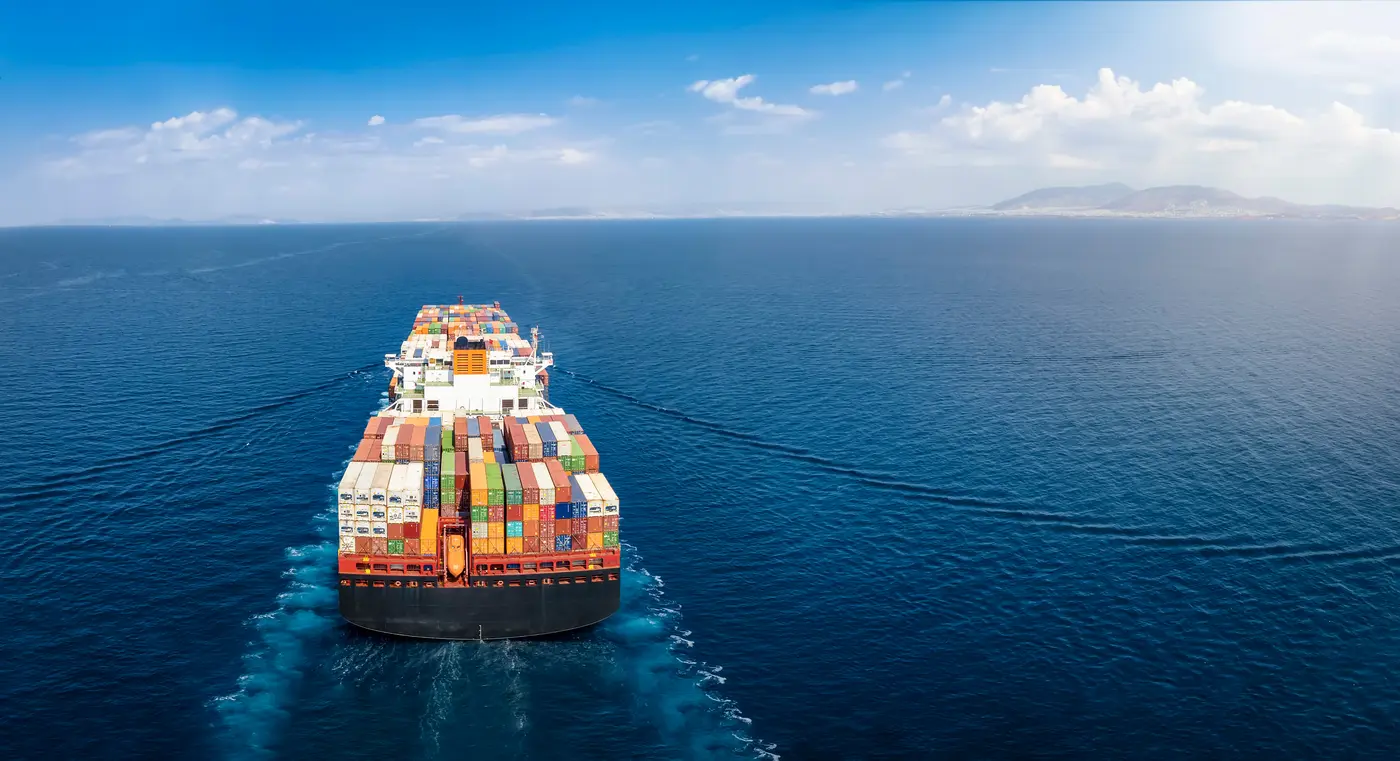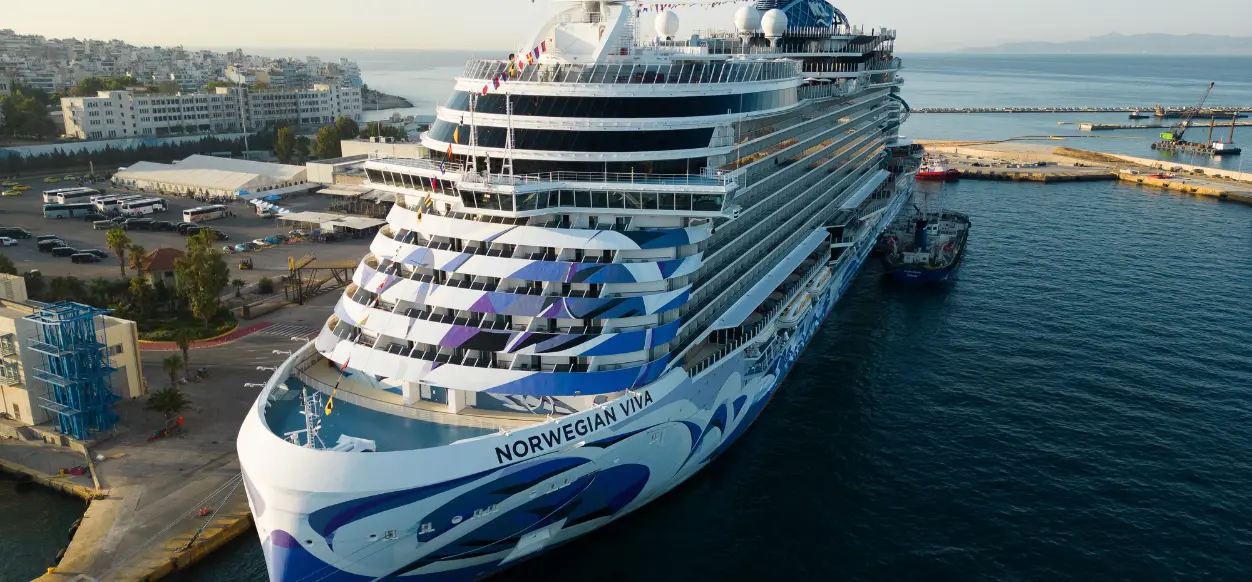
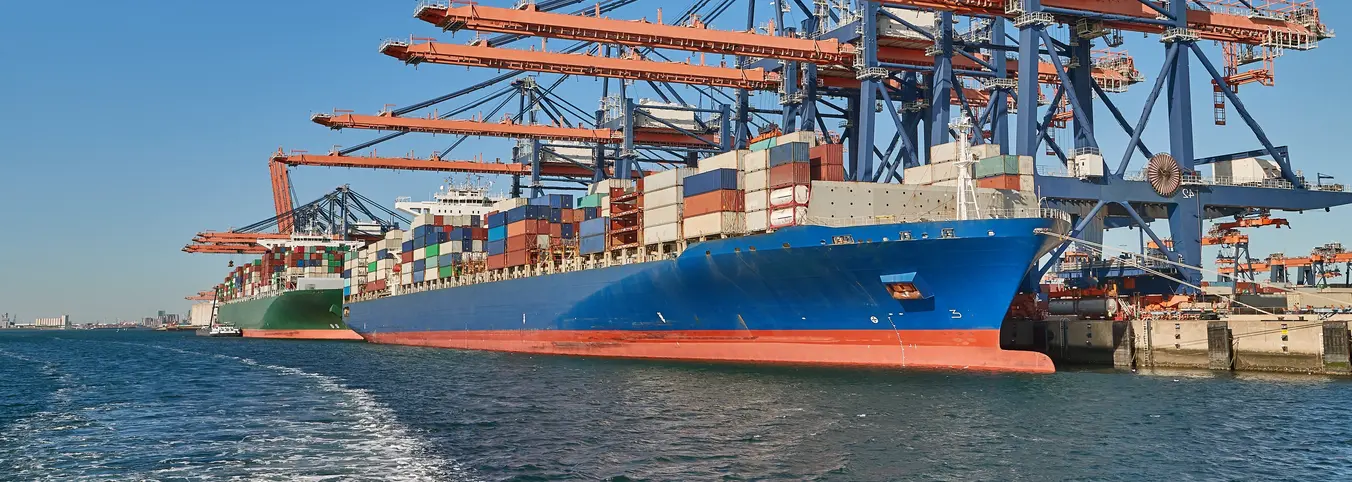
From Liverpool’s majestic Pier Head, a former UNESCO World Heritage Site, the Mersey estuary opens out wide toward Liverpool Bay and the Irish Sea. To the north, behind the river wall at Seaforth, container cranes work on ships inbound from the North Atlantic. Across the water at Birkenhead, RoRo ferries load and discharge on routes to Belfast and Dublin. At the cruise terminal on the waterfront, a growing number of passenger vessels bring visitors to a city whose very identity was formed around global maritime trade.
Liverpool has been a port for over 800 years. It was once the second most important port in the British Empire, home to the world’s first enclosed commercial dock (built in 1715) and the birthplace of Cunard. That history established the physical infrastructure, the trade routes, and the depth of maritime expertise that still feed growth at the port to this day. World Fuel maintains a physical marine fuel supply operation at Liverpool, providing bunkering solutions to the full range of vessel types calling at this major UK gateway.
A gateway to the west
Today, the Port of Liverpool is the UK’s fourth largest container port, handling around 900,000 TEU¹ and more than 30 million tons of freight each year.² Its position on the UK’s west coast gives it a natural advantage for transatlantic trade. Liverpool handles 45% of UK container traffic with North America,³ and the £400 million Liverpool2 deep-water terminal at Seaforth, completed in 2016, allows the port to berth two post-Panamax vessels at once.⁴ This opens Liverpool to 95% of the world’s largest container ships.⁵
Container traffic is only part of the picture on the Mersey. Liverpool’s bulk trades include steel, grain, animal feed, and timber, with steel imports alone reaching a record 702,000 tons in 2024 (up 35% year-on-year).⁶ The port’s RoRo operations are equally substantial. Stena Line runs daily passenger and freight sailings from Birkenhead’s 12 Quays terminal to Belfast and Dublin,⁷ while Seatruck Ferries operates freight services to Dublin and Heysham.⁸ Together, these Irish Sea routes make Liverpool one of the busiest ferry corridors in UK waters.
Cruise traffic adds yet another dimension. Liverpool Cruise Port is heading for a record 2026 season, with 135 cruise calls expected and an estimated 350,000 passengers and crew.⁹ Fred Olsen, Viking, Ambassador, Princess Cruises, and Cunard all feature in the schedule. The last of those is a fitting return for a line that was founded on the Mersey in 1840.
Freeport status and forward momentum
The Liverpool city region was designated as one of eight English freeports in 2023, centered on the Port of Liverpool and covering a 45-kilometer zone with customs and tax sites at Birkenhead, St Helens, and Widnes. This designation has simplified customs procedures, enabled tariff-free imports for re-export, and provided tax incentives aimed at attracting investment in logistics, advanced manufacturing, and green energy. Combined with the port’s direct motorway access (ten motorways sit within 10 miles) and intermodal rail connections to 15 inland terminals across the UK, the Freeport is a powerful reinforcement for Liverpool’s position as a logistics gateway for Northern England and the Midlands.
Our supply operation at Liverpool
World Fuel’s presence in Liverpool revolves around the terminal at Huskisson Dock No. 1, a purpose-built bunker facility that has served the port since 2002. Two dedicated berths accommodate vessels up to 20,000 deadweight tons with a maximum draft of 8.5 meters, while two loading racks support road distribution across the wider region. A duty-suspended hydrocarbon warehouse provides bonded storage for fuel held in transit.
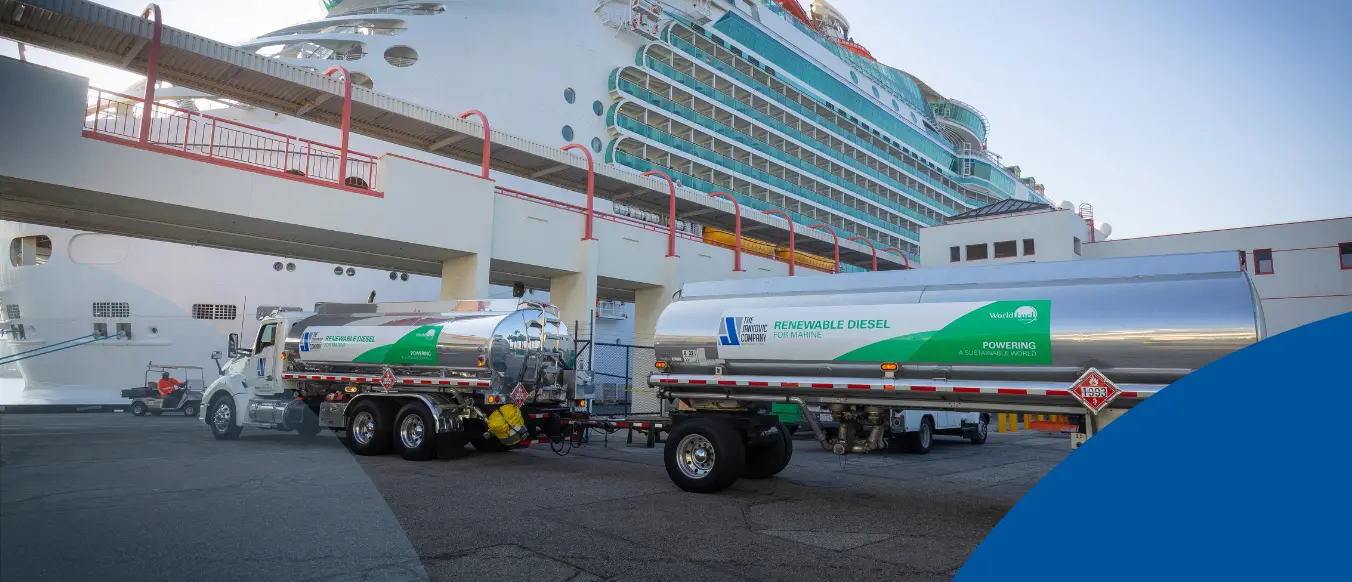
From this base, World Fuel supplies VLSFO and MGO to vessels calling at Liverpool’s commercial berths. Deliveries are made by barge and by truck, providing flexibility to serve deep-sea container vessels at Seaforth, ferries at Birkenhead, cruise ships at the Pier Head, and coastal traffic throughout the Irish Sea corridor. The scale of what can be handled from this facility was demonstrated in March 2020 when World Fuel delivered 1,080 metric tons of marine gasoil by truck to HMS Prince of Wales at the Liverpool Cruise Terminal during the aircraft carrier’s inaugural visit to the city. That kind of operation, coordinating a large-volume delivery by truck to a high-profile naval vessel at a busy passenger terminal, is a practical example of local capability and planning.
In a similar vein, World Fuel also supplies crude oil carriers at Tranmere Oil Terminal as they deliver feedstocks to the critical national infrastructure that supplies a significant proportion of the road, marine, and aviation fuels used in the United Kingdom. The company also supports bunkering at Holyhead and Heysham, further extending World Fuel’s reach across to these key Irish Sea ports. World Fuel’s Senior Vice President of Global Marine Sales, Mark Tamsitt, picks up on the unique challenges, remarking:
“Liverpool is a port where you see the full range of maritime trades working side by side. Deep-sea containers, Irish Sea ferries, cruise ships, and bulk cargoes all share the same infrastructure. Our job is to make sure fuel supply keeps pace with that activity, whatever the vessel type or the schedule it’s working to.”
From the first enclosed dock in 1715 to the deep-water berths at Liverpool2, this is a port that has reinvented itself more than once without losing its connection to the sea. World Fuel’s presence at Liverpool, through a terminal and team that have served the Mersey for over two decades, reflects that same quality of steady, experienced supply at a port that continues to earn its place on global shipping routes.
With a combination of transatlantic reach, Irish Sea connectivity, growing cruise traffic, and Government investment, Liverpool is poised for sustained growth. It offers ship operators and cargo owners a western gateway that cuts road miles to distribution centers across Northern England and the Midlands. Our terminal infrastructure, established barge and truck delivery, and decades of local operating knowledge come together to support reliable bunkering across every segment of this complex and historic port.
Sources
[2] https://www.peelports.com/media/m21j4why/peel-ports-group-port-of-liverpool-brochure.pdf
https://www.freightos.com/freight-resources/biggest-ports-in-uk/
[4] https://www.maritimeuk.org/national-impact-award-2018/shortlist/peel-ports/
[5] https://lbndaily.co.uk/liverpool-grab-20-uk-container-traffic-2025/
[8] https://www.dublinport.ie/dublin-port-company-confirms-stena-line-seatruck-ferries-for-terminal-5/
https://www.niferry.co.uk/stena-lines-new-liverpool-to-dublin-ferry-starts/
https://lbndaily.co.uk/liverpool-cruise-port-set-for-record-year-in-2026/