Natural gas procurement is a critical component of manufacturing operations. With energy costs rising and carbon compliance becoming more stringent, manufacturers must adopt strategies that ensure cost control, reliability, and sustainability. This guide provides actionable insights into natural gas procurement best practices, risk management, and efficiency improvements.
Why natural gas procurement matters
Commercial natural gas is often one of the largest operational expenses for manufacturers. Beyond cost, it influences production reliability and carbon footprint. Poor procurement practices can lead to budget overruns, exposure to market volatility, and missed sustainability targets. A strategic approach ensures manufacturers can control costs, reduce risk, and align energy decisions with long-term business objectives.
Key challenges in natural gas procurement
Manufacturers encounter several hurdles when managing commercial natural gas, these include:
- Price volatility due to seasonal demand and geopolitical factors.
- Regulatory complexity with carbon pricing and emissions reporting.
- Infrastructure constraints impacting reliability.
- Operational inefficiencies like billing errors and a lack of visibility.
- Sustainability pressures from customers and investors.
Market trends & outlook: Why timing matters in natural gas procurement
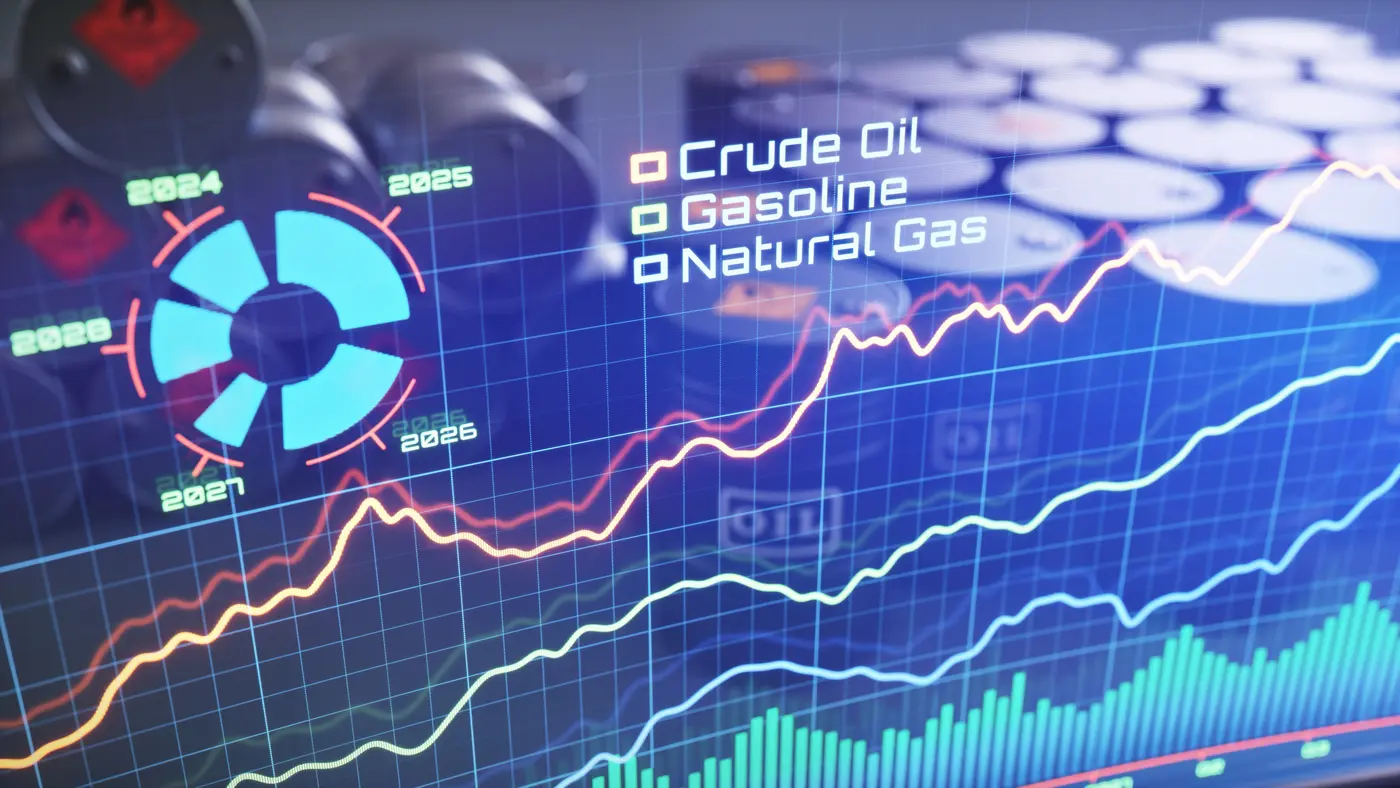
Seasonal demand, global LNG exports, and regulatory changes influence natural gas markets. For manufacturers, understanding these trends is critical for timing procurement decisions. For example, winter heating demand often drives price spikes, while shoulder seasons may offer opportunities for favorable contracts. Additionally, methane reduction regulations and carbon pricing initiatives are reshaping cost structures. Staying informed allows manufacturers to lock in rates when conditions are optimal and avoid exposure during volatile periods.
Stay informed by subscribing to our newsletter.
Strategies to manage natural gas costs
Managing natural gas costs requires a multi-pronged approach that combines procurement tactics, operational efficiency, and technology. Below are best practice strategies manufacturers can implement.
Diversify suppliers
Avoid single-vendor dependency by engaging multiple suppliers for competitive bids, which reduces risk and ensures flexibility in pricing negotiations.
Blend pricing models
Use a mix of fixed and index pricing to balance budget certainty with market flexibility. Fixed pricing provides stability, while index pricing allows manufacturers to benefit from favorable market conditions.
Leverage storage and pipeline capacity
Hedge against seasonal volatility by securing capacity during low-demand periods. This strategy helps avoid winter price spikes and ensures supply reliability.
Monitor regulatory changes
Stay ahead of carbon surcharges and transportation cost adjustments. Proactive compliance planning can prevent unexpected expenses and penalties.
Advanced procurement techniques
Manufacturers can further optimize natural gas procurement through advanced strategies such as hedging, load forecasting, and demand response programs.
Hedging
Lock in future prices to protect against market spikes. Hedging provides budget certainty and shields manufacturers from sudden cost increases.
Load forecasting
Use predictive analytics to align procurement with actual consumption. Accurate forecasting minimizes over-purchasing and reduces waste.
Demand response programs
Adjust usage during peak periods to reduce costs. Participating in demand response programs can also generate revenue through grid incentives.
Long-term contracts
Securing multi-year agreements can provide price stability and supply assurance for manufacturers. When market conditions are favorable, locking in rates through long-term contracts helps mitigate volatility and simplifies budgeting. However, it’s important to balance contract length with flexibility - consider clauses for volume adjustments and review periods to adapt to changing operational needs.
Building a risk management framework for natural gas procurement
Procurement risk goes beyond price volatility - it includes supply disruptions, regulatory changes, and contract exposure. A robust risk management framework should include:
- Scenario planning: Model different price and demand scenarios to understand potential impacts.
- Stress testing: Evaluate how extreme market conditions affect budgets and operations.
- Flexible contracts: Include clauses for volume adjustments and review periods.
This proactive approach helps manufacturers maintain resilience in an unpredictable energy landscape.
Energy efficiency and digital tools
Reducing natural gas consumption is as important as managing its price. Manufacturers can implement heat recovery systems, combined heat and power (CHP), and deploy Energy Management Systems (EMS) for real-time monitoring. Predictive maintenance and invoice validation tools enhance transparency and control.
Sustainability and carbon reduction
Natural gas procurement strategies should align with carbon reduction goals. Renewable Natural Gas (RNG) offers a practical pathway for manufacturers to reduce emissions without abandoning natural gas infrastructure. RNG is produced from organic waste sources and can be injected into existing pipelines, making it a drop-in solution for decarbonization. By incorporating RNG into procurement strategies, manufacturers can lower their carbon footprint, meet ESG targets, and potentially qualify for low-carbon incentives. Pairing RNG with carbon capture technologies and operational efficiency improvements creates a holistic sustainability approach.
World Kinect helps businesses secure reliable natural gas supply at competitive prices, backed by market intelligence and risk management expertise. We simplify procurement, optimize costs, and give you confidence in your energy strategy.
If you need support, request time with our team.
Natural gas procurement FAQs
Q1: What is the best natural gas procurement strategy for manufacturers?
A combination of fixed and index pricing, supplier diversification, and storage hedging is recommended.
Q2: How can manufacturers reduce natural gas costs without compromising reliability?
Through advanced procurement techniques, efficiency upgrades, and digital optimization tools.
Q3: How can manufacturers forecast natural gas demand accurately?
Accurate demand forecasting relies on historical consumption data, production schedules, and predictive analytics tools. Leveraging digital platforms for load forecasting helps align procurement with actual usage, reducing waste and avoiding costly over-purchasing.
Q4: What role do digital tools play in natural gas procurement?
Digital tools provide real-time visibility into consumption, automate invoice validation, and enable predictive maintenance. They also support data-driven decisions for procurement strategies, helping manufacturers optimize costs and improve operational efficiency.
Q5: How does RNG differ from traditional natural gas?
RNG is chemically similar to conventional natural gas but sourced from renewable feedstocks like agricultural waste or landfills. It reduces lifecycle emissions and supports sustainability goals without requiring major infrastructure changes.
Q6: What are the best practices for negotiating long-term contracts?
Start by analyzing historical consumption and market trends. Negotiate flexibility clauses for volume adjustments and include price review mechanisms. Align contract terms with your risk tolerance and sustainability objectives.
Q7: How can manufacturers integrate carbon accounting into procurement?
Use digital platforms that track emissions from purchased gas and RNG. Incorporate carbon metrics into procurement KPIs and align with ESG reporting frameworks.