As the UK accelerates its transition to a net-zero energy future, the cost of maintaining and upgrading the electricity transmission network is increasing. One of the key mechanisms funding this transformation is the Transmission Network Use of System (TNUoS) charge, which is a fee paid by electricity users to support the national grid infrastructure.
With major changes coming into effect from April 2026, understanding how TNUoS charges work, why they’re increasing, and what your business can do to mitigate the impact is more important than ever.
At World Kinect, we’re here to help you navigate these changes with clarity and confidence. Let’s break down what’s happening, how it could affect your business, and what you can do to prepare.
What are TNUoS charges, and why are they increasing?
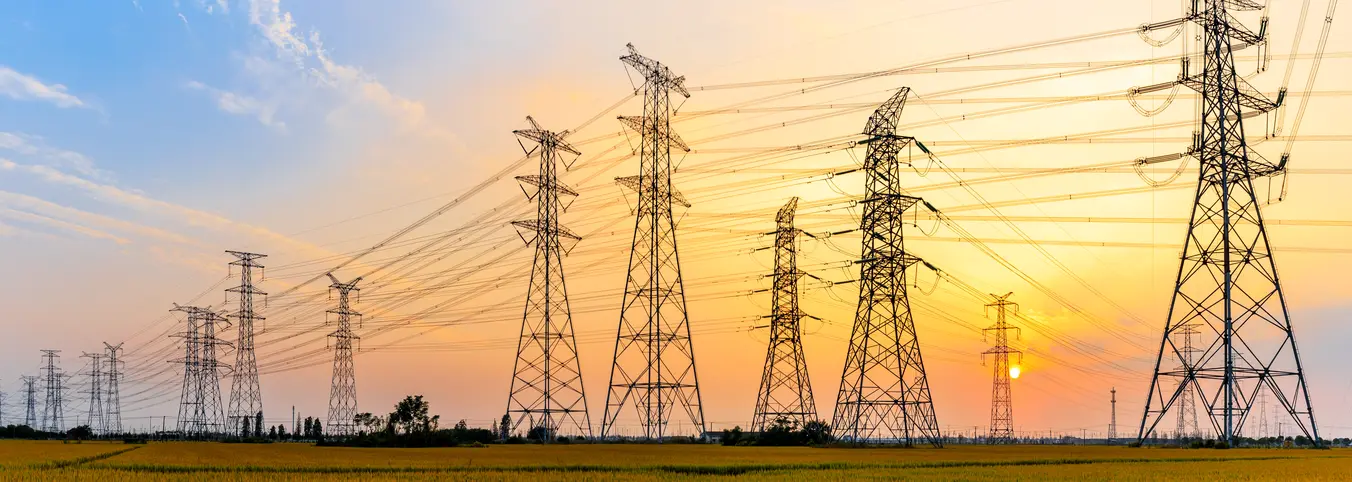
TNUoS charges are the fees paid to use the UK’s high-voltage electricity transmission network. These charges help fund the infrastructure that moves electricity from generators, like offshore wind farms and solar parks, to homes and businesses across the country.
From 2026 onwards, these charges will rise sharply. According to the National Energy System Operator (NESO), total TNUoS revenue is forecast to jump from £5.1 billion in 2025/26 to £8.9 billion in 2026/27, with further increases expected through to £13.6 billion by 2030/31.
Why the increase?
Because the grid needs major upgrades to support the shift to renewable energy and to ensure security of supply. This includes:
- Reinforcing transmission lines.
- Building new interconnectors.
- Modernising infrastructure to handle decentralised generation.
How will the 2026 TNUoS changes affect your business?
The impact will vary depending on your location, contract type, and energy usage.
Key impacts include:
- Higher standing charges: Most businesses will see increased daily standing charges. In a recent World Kinect analysis of large multi-site portfolios, the lowest average increase per meter was £17,000, while the highest averaged £82,500. The largest individual site increase exceeded £300,000.
- Regional differences: Businesses located in South Wales, South West England, and South East England are expected to face the steepest increases due to their distance from major generation hubs.
- Contract type matters: Pass-through contracts will reflect these changes immediately, and fixed contracts may still be affected if TNUoS cost estimates have been under forecast. This can vary depending on the supplier and the date the contract was secured. Check the terms of your supplier contract carefully.
Who will be most affected?
Industries with high energy intensity, such as manufacturing, logistics, and data centres, will be particularly exposed. Businesses with large facilities or multiple sites may see significant cost increases, especially if located in regions far from generation sources.
Even smaller organisations should take note: while the absolute cost may be lower, the proportional impact on operating expenses could be substantial.
What is NESO and its role in TNUoS?
The National Energy System Operator (NESO) is responsible for forecasting and setting TNUoS tariffs. NESO publishes annual updates and projections, helping businesses anticipate changes and plan accordingly.
- November 2025: Updated forecasts expected.
- February 2026: Final tariffs published.
- April 2026: New charges come into effect.
Staying informed about NESO updates is key to proactive energy planning.
How to mitigate rising TNUoS costs: Practical steps
Here are four strategic actions your business can take to reduce exposure and prepare for the future:
1. Review your energy contracts
- Check if your supplier passes through TNUoS charges.
- Understand your site’s banding and how it affects your standing charge.
- If your contract runs past April 2026, budget for mid-term increases.
2. Explore on-site generation
- Install solar panels or other renewables to reduce reliance on the grid.
- Consider battery storage to manage demand and optimise usage.
- On-site generation can help avoid peak transmission costs and improve energy resilience.
3. Improve energy efficiency
- Reducing consumption lowers your exposure to locational and residual charges.
- Conduct an energy audit to identify savings opportunities.
- Implement smart metering and demand-side response strategies.
4. Stay informed and plan ahead
- Monitor NESO updates and forecasts.
- Work with energy experts to model the impact on your portfolio.
- Use scenario planning to assess risks and opportunities.
Why work with World Kinect?
At World Kinect, we believe in simplifying complexity. Whether you’re a manufacturer, logistics operator, or multi-site enterprise, our team is here to help you:
- Understand your exposure to rising TNUoS charges
- Optimise your energy strategy
- Identify cost-saving opportunities
- Act with confidence in a changing energy landscape
We combine deep market insight with tailored solutions to help you navigate regulatory changes and build a resilient energy strategy.
TNUoS FAQs
Q1: What is TNUoS?
TNUoS stands for Transmission Network Use of System. It’s a charge paid by electricity users to fund the UK’s high-voltage transmission network.
Q2: How are TNUoS charges calculated?
Charges are based on location, energy usage, and contract type. NESO sets tariffs annually.
Q3: Can businesses avoid TNUoS increases?
While you can’t avoid them entirely, you can reduce exposure through energy efficiency, on-site generation, and strategic contracting.