
Onsite solar and storage: Moving energy from an expense to a business advantage
For decades, businesses have treated energy as a fixed cost. It was an unavoidable line item that fluctuated with market forces. That view is changing fast. As global energy markets grow more volatile and companies look to become more environmentally sustainable, many businesses now see energy as a strategic lever for cost control, resilience, and brand credibility.
In this blog, we explore the key benefits of onsite solar and storage solutions for businesses, including cost predictability, sustainability gains, and enhanced energy resilience.
The current landscape: Energy costs are rising while demand surges
Global electricity demand surged by 4.3% in 2024,↗ up from 2.5% in 2023, according to the International Energy Agency (IEA). In the United States, demand grew by roughly 2%,↗ reversing nearly two decades of stagnation. Looking ahead, global electricity consumption is forecast to grow at about 3.9% annually↗ - more than twice the pace of total energy demand driven by electrification and digitalization, according to the IEA. The surge in demand comes from rapid electrification, the explosion of AI and data centers, and industrial decarbonization efforts.
Meanwhile, fuel-price swings and supply constraints have increased volatility, increasing the electricity price risk for businesses. Average wholesale electricity prices↗ in the first half of 2025 rose year-on-year in Europe, the United States, and Japan, driven by higher gas prices and tighter grid conditions. In Europe, prices averaged around $90/MWh, up 30% from 2024. According to ENTSO-E data, average wholesale electricity prices during 2020–2024 were roughly three times higher than the 2014–2019 average, reflecting the lasting impact of the energy crisis and market volatility.
With so much volatility, businesses should expect and plan for more extreme price spikes. Wood Mackenzie's North American wholesale price↗ forecast suggests every region across the United States will experience a year-to-year increase in wholesale electricity prices through 2035.
As demands and costs rise, energy-intensive businesses are turning to onsite solar and storage as a hedge against uncertainty — a way to take back control of their costs and supply stability.
A strategic shift in corporate energy management
The mindset shift around energy is measurable. Recent research from EY shows that 64% of businesses↗ say unstable energy costs are eroding competitiveness, and 70% plan↗ to invest in onsite generation and storage to regain predictability and control.
This drive for stability and autonomy is fueling the rise of the ‘prosumer’ business model—organizations that both produce and consume their own energy. Instead of passively buying from the grid, prosumer companies actively manage when and how they generate, store, and use electricity. By producing power onsite, companies reduce dependence on volatile wholesale markets, improve operational resilience, and strengthen their sustainability narratives, all while positioning energy as a long-term strategic asset.
What are the benefits of renewable onsite solutions for businesses?
1. Cost predictability and volatility protection
Traditional energy purchasing leaves businesses exposed to market volatility, with prices swinging due to fuel costs, regulatory shifts, and seasonal demand. Installing onsite renewables offers a powerful alternative: cost stability. While installing solar PV involves upfront investment or a long-term Power Purchase Agreement (PPA), once in place, it delivers a predictable source of electricity for decades—shielding businesses from price shocks and improving long-term financial planning.
Most businesses can experience payback periods as strong as three to five years in many markets globally, depending on factors like local incentives, energy usage patterns, and installation costs. After that, the electricity generated is effectively at a fixed cost, shielded from future market swings. There are also ample opportunities globally to see year one savings through a power purchase agreement contract in a scenario where upfront capital expenditure is undesirable.
Modern solar panels typically have lifespans of 25–30 years, and while maintenance and inverter replacements may add minor costs over time, these are generally predictable and far less volatile than wholesale energy prices. This long-term stability is why onsite solar is increasingly viewed not just as a sustainability measure, but as a strategic financial hedge against energy price uncertainty.
2. Contribution to net-zero and RE100 goals
Onsite solutions help companies meet carbon reduction and renewable energy commitments under frameworks like RE100. Updated RE100 criteria now require that Energy Attribute Certificates (EACs) come from new or directly contracted projects — making onsite generation a compliant, transparent pathway to additional renewable supply.
When paired with storage, onsite solar can support scope 2 decarbonization by matching renewable generation with real-time consumption.
3. Enhanced stakeholder messaging and ESG reporting
Investors, customers, and regulators increasingly scrutinize corporate energy strategies. Implementing onsite solar sends a clear message of proactive environmental leadership.
It strengthens ESG narratives, improves sustainability disclosure metrics, and demonstrates operational innovation. For many companies, it also enhances employee engagement, turning sustainability from a policy into a visible, tangible reality.
Transform energy from a cost center to a strategic opportunity
Energy no longer belongs in the “expense” column. It belongs in the strategy column. Onsite solar paired with storage gives businesses the ability to control one of their largest operational variables while advancing corporate sustainability goals and building resilience against a volatile market.
The first step is simple but powerful: assess your sites as strategic assets. A feasibility study can identify cost-saving opportunities, available incentives, and technical potential for solar and storage systems.
Want to learn more? Watch our on-demand webinar to explore real-world examples and expert insights into onsite solar strategies.
How World Kinect can help
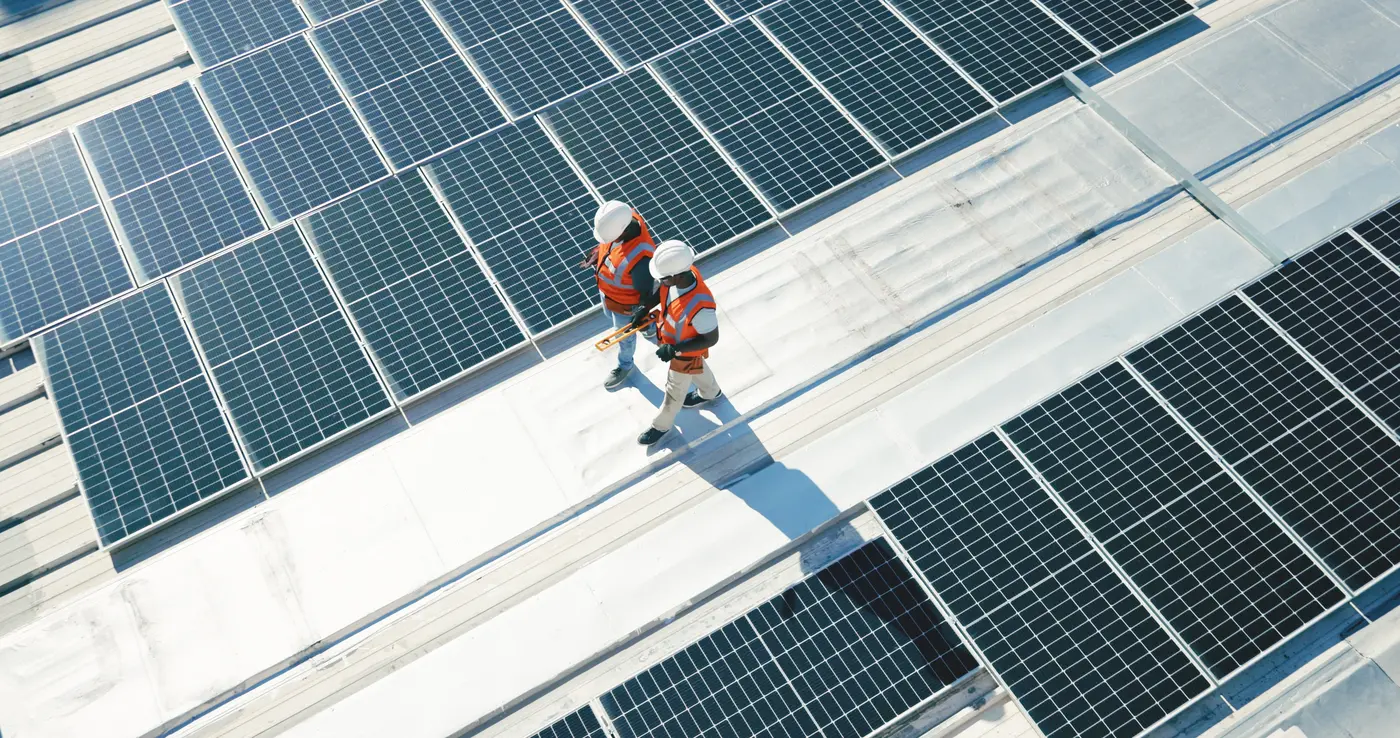
If you’ve been wondering about what onsite renewable solutions are possible with your existing infrastructure, consider starting with an onsite solution assessment from the team at World Kinect. Our renewable energy experts can identify opportunities to generate and store local, clean renewable energy through rooftops, parking lots, and open land.
FAQs about onsite solar
What is onsite solar, and how does it work for businesses?
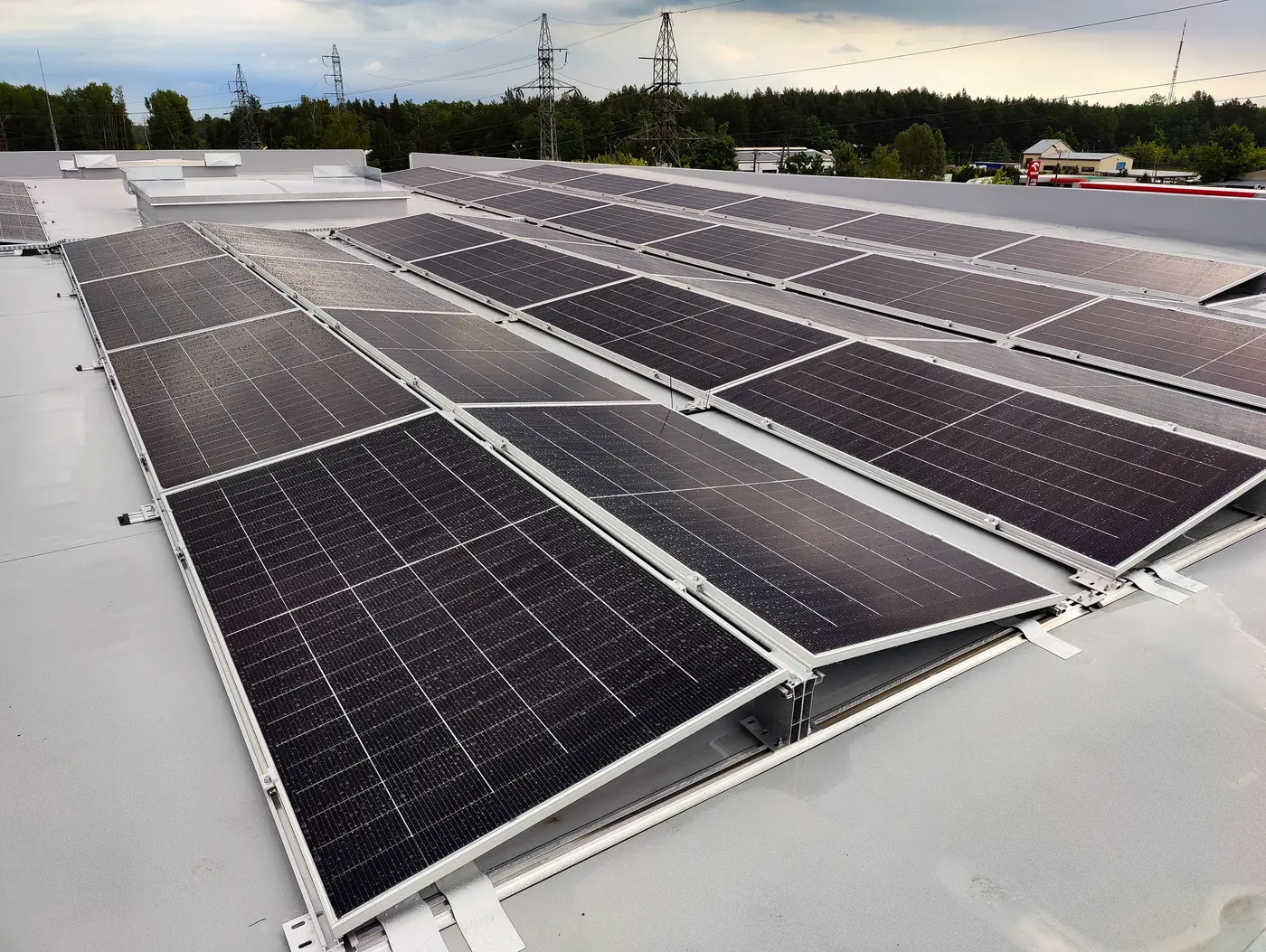
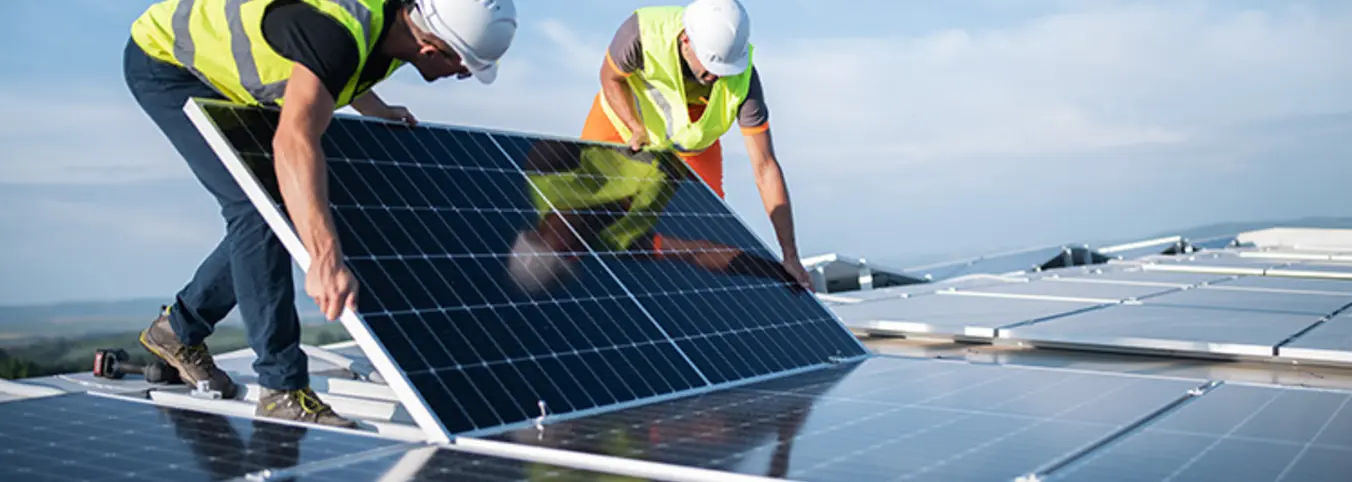
Onsite solar turns your facility into its own power source. Solar panels installed on rooftops, parking structures, or nearby land capture sunlight and convert it into electricity that feeds directly into your operations. This reduces dependence on the grid, stabilizes energy costs, and can significantly cut utility bills. When paired with storage, onsite solar also boosts resilience during outages and supports sustainability goals—making energy not just a cost, but a site advantage.
Why are companies investing in onsite solutions now?
Rising energy prices, grid instability, and sustainability targets are driving businesses to invest in onsite solutions as a way to control costs and reduce carbon emissions.
How does onsite solar improve energy resilience?
When paired with battery storage and depending on the size of the battery deployed, onsite solar can provide backup power during outages and reduce exposure to peak pricing, improving operational continuity. The result: greater operational continuity, cost control, and energy independence.
What are the environmental benefits of onsite solar?
Onsite solar delivers clean power without the environmental baggage of fossil fuels. By harnessing sunlight—a virtually limitless resource—businesses reduce dependence on coal, oil, and natural gas. Solar systems generate electricity without greenhouse gas emissions, air pollutants, or water use, making them one of the most sustainable energy options available today.
Can onsite solar help meet RE100 or net-zero goals?
Yes. Onsite solar qualifies as additional renewable generation and can support RE100 claims if paired with Energy Attribute Certificates (EACs) from eligible projects.
Is onsite solar financially viable for small and medium-sized enterprises (SMEs)?
Yes. SMEs can benefit from third-party financing models like power purchase agreements (PPAs), which require no upfront capital and offer predictable energy costs. Additionally, many governments, utilities, and other organizations offer financial incentives, rebates, and tax credits for businesses that invest in solar to help offset the upfront cost of a solar system and improve affordability.
What are the long-term benefits of onsite solar for commercial buildings?
Onsite solar benefits include lower energy bills, improved ESG performance, increased property value, and reduced exposure to future energy market volatility. A building with onsite solar also demonstrates a business owner’s commitment to sustainability and reducing its carbon footprint, enhancing its brand value.