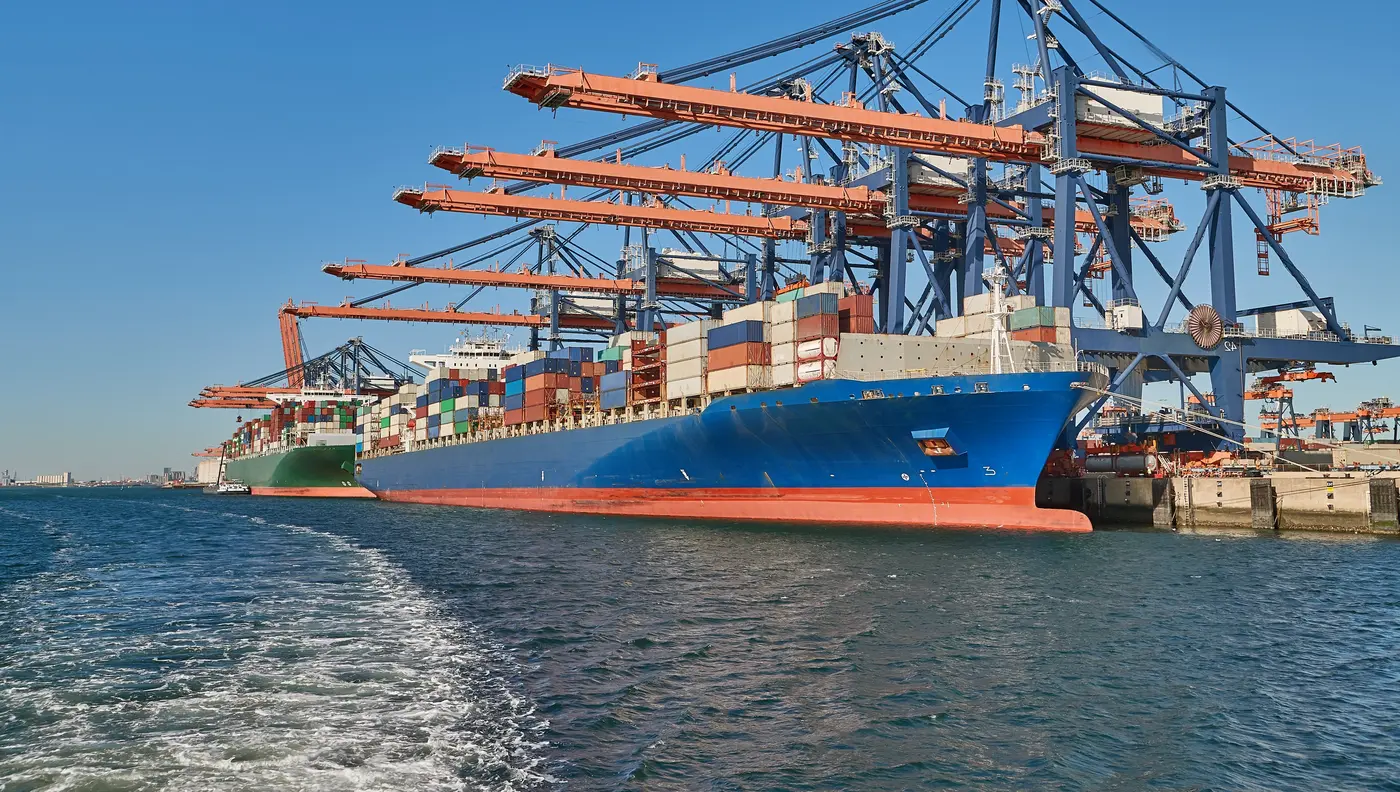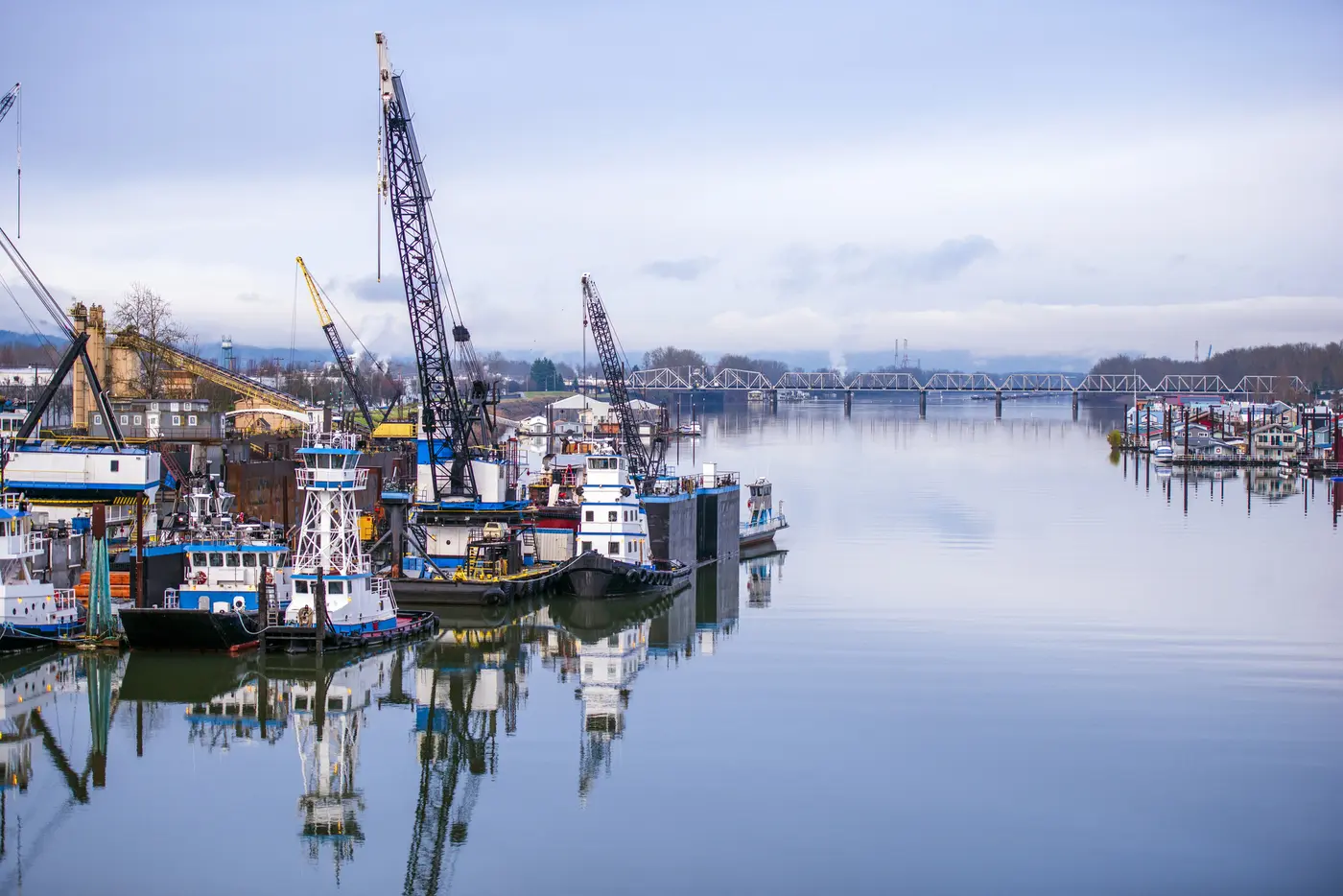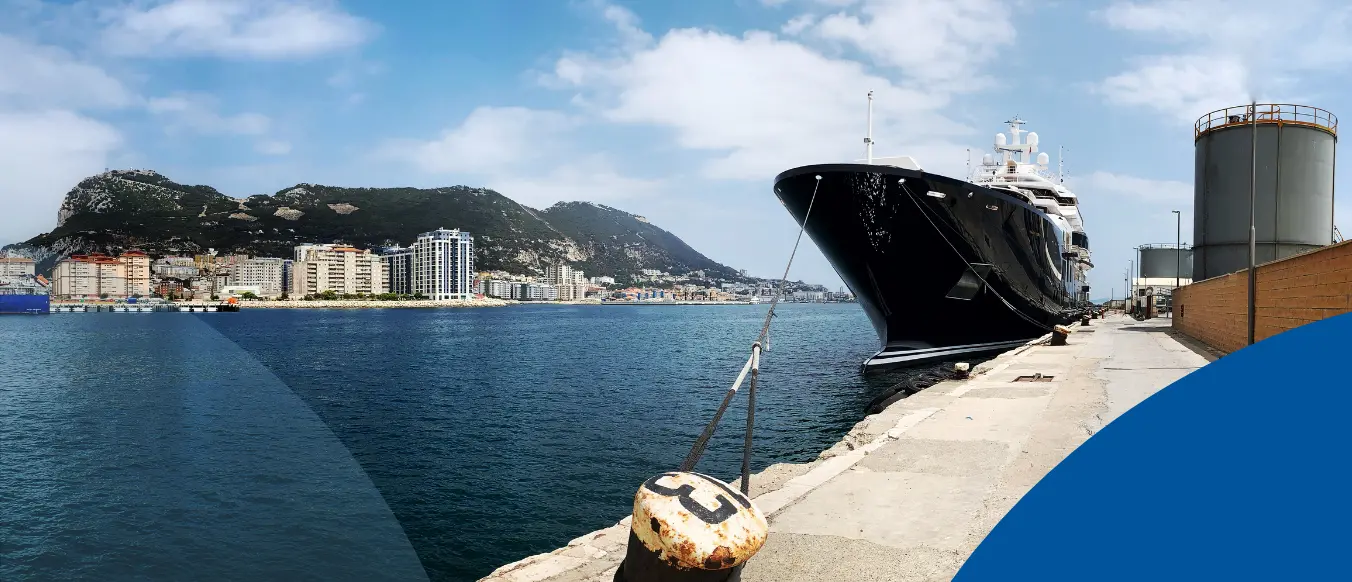
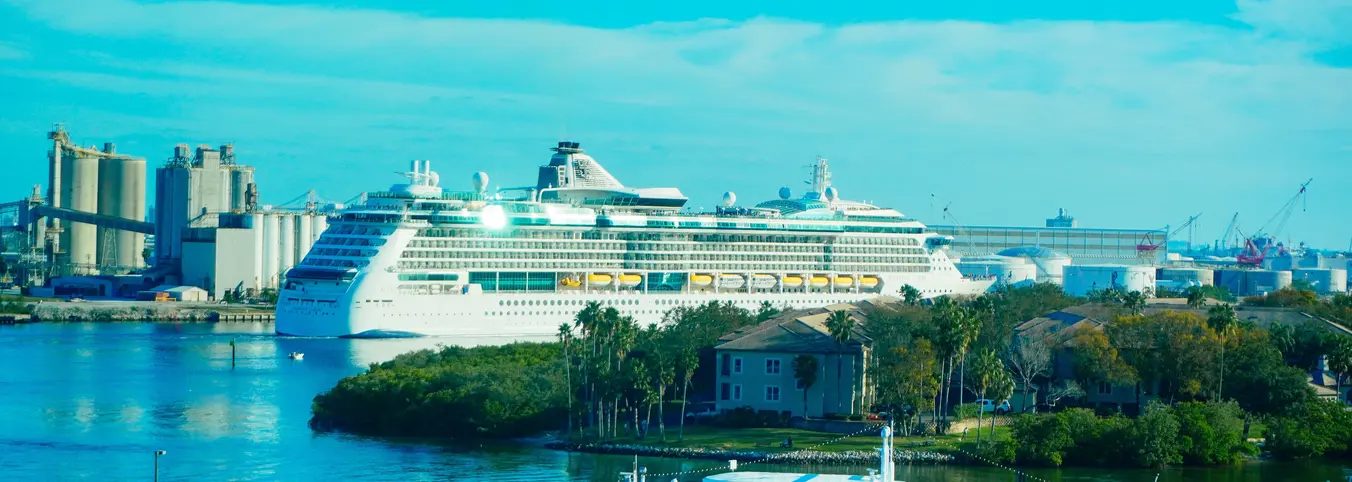
As vessels approach Port Manatee at the entrance to Tampa Bay, they pass behind Manbirtee Key, a 60-acre manmade island formed during the port’s original dredging in the 1960s and now preserved as a protected wildlife sanctuary. The tranquility of the uninhabited island stands in contrast to the scale and diversity of activity beyond the channel, where cruise vessels, container ships, and bulk carriers operate side by side within one of Florida’s most active maritime gateways.
Tampa Bay’s combination of fixed-schedule passenger operations and high-throughput cargo trades places particular demands on marine fuel supply. Reliability, coordination, and the ability to operate within tightly managed port calls are essential. World Fuel has maintained a physical supply presence in the region since 2018, supporting a broad range of vessel types from established supply positions at Port Manatee and within Tampa Bay proper, and playing an integrated role in port operations across the bay. This article places the spotlight on Tampa Bay and reveals how World Fuel is supporting this thriving and growing maritime hub.
Tampa Bay port environment
Port Manatee sits at the entrance to Tampa Bay as one of Florida’s most established deepwater ports, with more than five decades of continuous development supporting regional and international trade. Created through large-scale dredging works in the 1960s, the port has evolved into a diversified maritime hub serving container, bulk, breakbulk, liquid bulk, and cruise traffic, while maintaining direct access to the Gulf of Mexico.
Today, SeaPort Manatee handles more than 11 million tons of cargo annually, with liquid bulk representing a significant share of total throughput. Petroleum products, juices, and agricultural commodities move alongside dry bulk cargoes such as phosphate rock, limestone, and granite, while breakbulk volumes continue to expand. The port’s proximity to major population centers and distribution corridors, including direct highway and rail connections, reinforces its role as a critical logistics gateway for Southwest and Central Florida.
The port’s infrastructure reflects this long-term growth. Ten deep-draft berths, a maintained 40-foot channel and a turning basin capable of accommodating Panamax vessels enable SeaPort Manatee to support a wide range of vessel sizes and cargo profiles. Extensive refrigerated plug capacity supports substantial reefer traffic, while on-dock warehousing and laydown areas provide flexibility for diverse cargo operations. Port Manatee is a great example of operational resilience, with rapid restoration of key services following recent severe weather events, highlighting its importance to regional supply chains. Within this mature and highly active port environment, marine fuel supply must operate with the same reliability and coordination as other essential services. World Fuel’s presence reflects an understanding of that operating context, supporting vessels calling at Tampa Bay as part of a long-established maritime ecosystem.
Tampa Bay serves as a critical maritime hub for Florida and the wider US Southeast, handling a mix of cruise traffic, containerized cargo, and bulk commodities. Cruise operations bring fixed itineraries, synchronized sailings, and tight embarkation windows, while container and bulk cargo traffic introduces high volumes and continuous terminal activity. Together, these trades create a port environment where marine services must be carefully planned and executed to avoid disruption. World Fuel’s success in Tampa Bay is derived from its ability to operate within a busy, multi-user setting where access, timing, and communication are as important as physical assets. As with many other hub locations, fuel supply must be aligned with vessel movements, terminal operations, and broader port traffic, requiring a disciplined and well-established approach.
World Fuel’s physical supply presence at Port Manatee and Tampa Bay
World Fuel’s operation in Tampa Bay is structured to support this complexity. From established barge locations at Port Manatee and within the broader Tampa Bay area, World Fuel serves cruise vessels alongside container ships and bulk carriers, adapting execution to different operating models and schedule requirements. Terminal storage access positions World Fuel to support current port activity and respond to continued growth in cargo and container volumes across the region.
"Operating in Tampa Bay requires us to understand how different vessel types move through the same infrastructure,” said Jared Kuebler, Marine Trader at World Fuel. “Our role is to make sure fuel supply fits smoothly into those operations, regardless of the trade or schedule.”
Rather than being configured around a single customer segment, the operation reflects the realities of a mature, high-throughput port, where reliable fuel supply depends on planning, coordination, and consistency.
Marine assets and collaboration that enable reliable supply
Effective execution in Tampa Bay is underpinned by marine assets and long-standing regional cooperation. World Fuel operates two tug-and-barge units in the region, operated in collaboration with Vane Brothers, who are a proven marine transportation provider with deep local knowledge and a national operating footprint.
"Having reliable suppliers on the water is essential,” Kuebler says. “It allows us to focus on execution and maintain the standards our customers expect in a busy port environment.”
The collaboration supports safe, compliant, and flexible fuel deliveries across Tampa Bay, enabling World Fuel to serve multiple vessel types while operating within the constraints of a shared and heavily utilized port infrastructure.
Positioned for port growth and operational resilience
SeaPort Manatee has experienced sustained growth across liquid bulk, dry bulk, breakbulk, and refrigerated cargoes in recent years, reinforcing its role as a key trade gateway for Southwest and Central Florida. This growth adds to the operational intensity of the port, increasing the importance of well-coordinated marine services.
World Fuel’s established presence, supported by terminal access and marine assets across Tampa Bay, positions the company to operate reliably within this evolving environment. The port’s demonstrated resilience, including its ability to restore operations quickly following severe weather events, further underscores the value of preparedness and coordination for essential services such as fuel supply.
Fuel supply today and operational readiness for tomorrow
World Fuel supplies marine gasoil and high-sulfur fuel oil to vessels calling at Port Manatee and across Tampa Bay, in line with customer requirements and regulatory standards. Renewable fuel is also available in the region on a customer-specific basis. As vessel operators evaluate future fuel pathways, World Fuel continues to work closely with customers to support safe, compliant, and practical implementation, with readiness and execution remaining central considerations.
A proven supplier in Tampa Bay
From the tranquil surrounds of Manbirtee Key to the complex, high-throughput operations within the port, Tampa Bay is an environment that rewards preparation and experience. World Fuel’s physical supply operations across Port Manatee and Tampa Bay reflect a disciplined approach to serving a diverse mix of vessel types, supported by established assets and trusted cooperation.
By operating as an integrated part of the port ecosystem, World Fuel continues to support cruise, container, and bulk vessels across Tampa Bay, delivering a reliable fuel supply in a region that remains central to Florida’s maritime activity.